Features You Need To Look For In A Reliable GPS Tracker
Whether you’re running a fleet, protecting your pride and joy, or keeping an eye on the family, the right GPS tracker matters.
Trackers look simple on the box, but the spec sheets can make picking one a headache.
So here are the features that actually matter, and the ones you can happily ignore.
1) Real-Time Tracking
Real-time tracking is the whole point. Unlike passive trackers that store locations for you to download later, a real-time tracker tells you where your vehicle is right now.
What to look at:
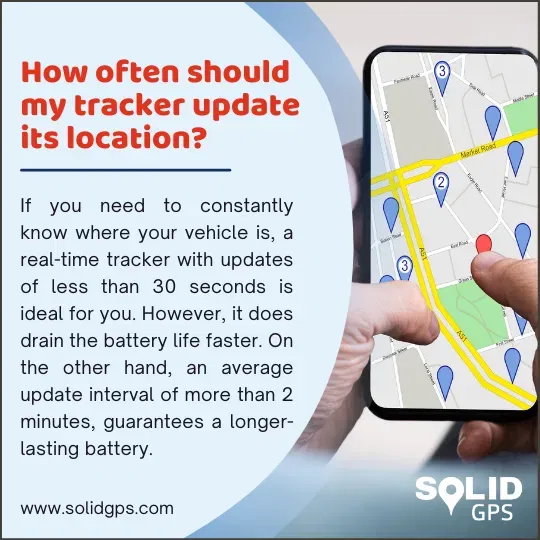
- Location Update Intervals: Short intervals (say, every 2 minutes) give you precise tracking but chew through battery. Adjustable intervals let you pick the trade-off yourself.
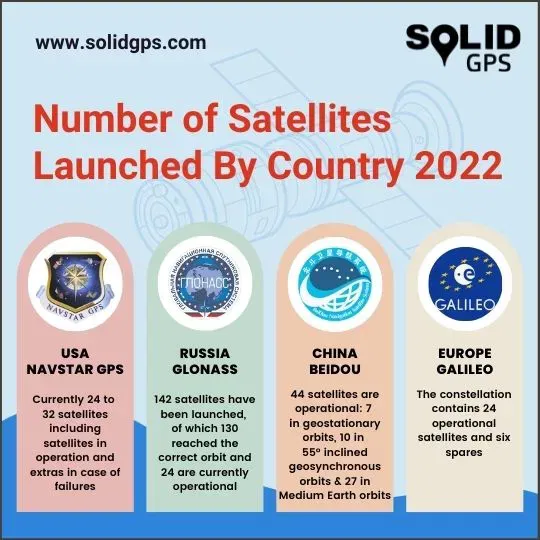
- Multiple Satellite Systems: A tracker that uses several satellite constellations, not just GPS, holds an accurate fix in places a single-system device loses it.
- Ease of Use: Premium models pile on features you’ll never touch. A simple tracker that nails the essentials beats a complicated one you never open.
2) Geofencing Alerts
Geofencing lets you draw a virtual boundary on the map and get an alert the moment it’s crossed.
Where it earns its keep:
- Fleet Management: Know when vehicles stray off their routes or assigned areas.
- Personal Safety: Get a heads-up if a child or elderly relative leaves school or a care facility.
- Theft Prevention: Draw a boundary around your parked car, if it moves without you, you know straight away.
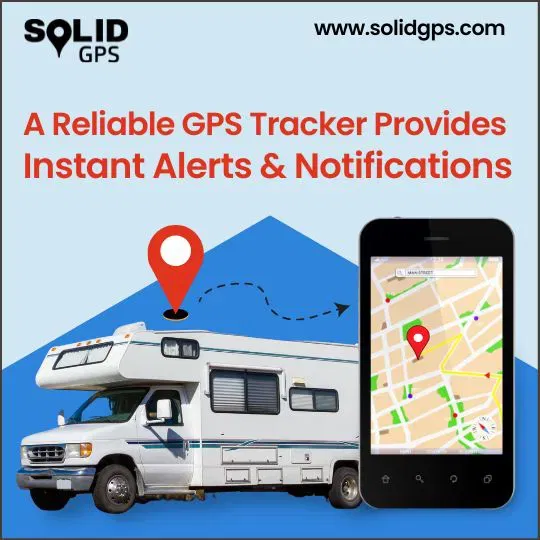
The alert has to reach you fast to be worth anything, a good tracker pings you through the app, email and SMS the moment the boundary is crossed.
3) Driver and Vehicle Safety Features
A tracker can do more than put a dot on a map.
Safety features worth having:
- Speed Monitoring: An alert when a vehicle is driven too fast.
- Harsh Braking Detection: Flags risky driving before it becomes a crash.
- Unauthorised Usage Alerts: Know if the vehicle moves outside work hours or with the wrong person behind the wheel.
If you run a fleet, this is how you find out how your vehicles are actually being driven.
4) Subscription and Cost Considerations
Almost every real GPS tracker needs a subscription. That’s what pays for the SIM card, data and servers that carry your location to your phone. The trick is making sure you get value for it.
How to keep the cost sensible:
- Know What the Fee Covers: A subscription pays for the SIM card, mobile data, servers and support behind your tracker, a suspiciously cheap plan usually means one of those is missing.
- Flexible Plans: Tiered plans let you pay for the usage you actually have, not the usage the top tier imagines.
- Simple Beats Cheap: A tracker that does the essentials well usually comes with a plan priced the same way.
Weigh the upfront price against the ongoing cost before you buy, a cheap tracker with an expensive plan isn’t cheap.
5) Durability and Power Options
Your tracker lives on a vehicle, so it cops weather, vibration and heat. Durability and power aren’t optional extras.
Durability:
- Weatherproofing: Waterproof, rugged casings are a must for anything living outdoors, on a trailer, a boat, or a construction site.
- Magnetic Cases: Stick it to the vehicle and go, no drilling, no wiring.
Power:
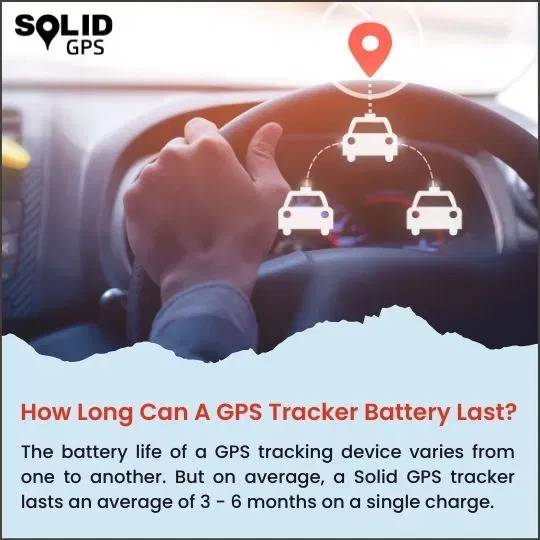
- Battery-Powered Trackers: The go-anywhere option. Look for a long-lasting battery, like the Solid GPS tracker, which balances frequent updates with months of battery life.
- Hardwired Trackers: Wired into the vehicle, so they never need charging.
Don’t wait until it’s too late. Solid GPS sends an instant alert the moment your car moves, day or night. Share live location with police in seconds. Trusted by 30,000+ vehicle owners.
6) Customisation in Alerts and Reporting
The best trackers let you choose what you get pinged about, so you hear about the stuff that matters and nothing else.
What you can tailor:
- Alerts: Low battery, geofence breaches, maintenance reminders, your pick.
- Reports: Fuel usage, driver behaviour, fleet efficiency, handy if you’re running vehicles for a living.
7) Ease of Installation and Use
Nobody wants to pull their dash apart to install a tracker.
The good ones set up in minutes:
- Plug-and-Play Devices: Plug straight into the vehicle’s diagnostic port (OBD-II) and you’re tracking, no tools, no wiring.
- Magnetic/Velcro/Zip Tie Attachments: Battery-powered trackers with a strong magnet, velcro or zip ties go on anything, and come off just as easily when you need them elsewhere.
If you can stick a magnet to metal, you can install one.
8) Diverse Use Cases
Trackers aren’t just for cars.
A few other jobs they do well:
- Children and Elderly: Compact, wearable trackers so you know your family members are where they should be.
- Pets: A small tracker on the collar turns a lost dog into a found one.
- Tools and Equipment: Power tools and machinery walk off job sites all the time, durable, portable trackers walk them back.
9) Global and Multi-Platform Coverage
If you travel or run vehicles across borders, coverage is the feature that decides everything else.
What to check:
- Global Connectivity: A tracker that can roam onto overseas mobile networks keeps working when you cross a border. One locked to a single carrier doesn’t.
- Multi-Platform Monitoring: Phone app, web dashboard, tablet, you should be able to check your tracker from whatever’s in your hand.
Conclusion
Choosing a tracker comes down to a handful of things: real-time updates you can trust, alerts that reach you instantly, a battery that lasts, and a plan that’s worth the money.
Sort your priorities first, battery life, installation, subscription cost, and the right tracker picks itself.
Still have questions? Our FAQ section below covers the common ones.
Don’t wait until it’s too late. Solid GPS sends an instant alert the moment your car moves, day or night. Share live location with police in seconds. Trusted by 30,000+ vehicle owners.